

المعهد العالي للصحة العامة ينظم ورشة عمل «السكري ورمضان – مصر 2026» بالتعاون مع جمعية DaR

ايه حسين
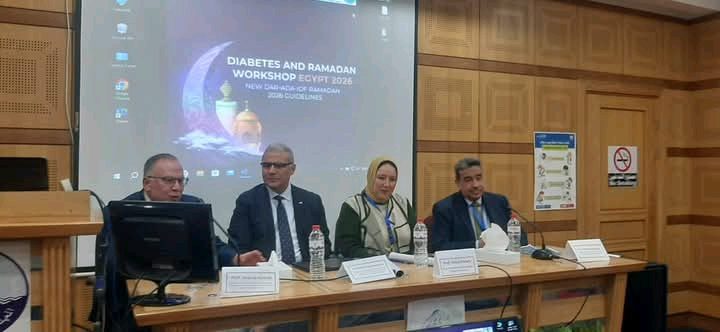
تحت رعاية الدكتور عبد العزيز قنصوة، رئيس جامعة الإسكندرية، نظم المعهد العالي للصحة العامة، بالتعاون مع جمعية دراسة السكر ورعاية مرضاه (DaR)، ورشة عمل علمية بعنوان «السكري ورمضان – مصر 2026»، وذلك يوم الخميس الموافق 22 يناير 2026.
جاء تنظيم الورشة تحت إشراف وحضور الدكتورة هبة القاضي، عميد المعهد العالي للصحة العامة، والدكتورة زينب شطا، وكيل المعهد لشئون خدمة المجتمع وتنمية البيئة، والدكتورة نشوى عزام، وكيل المعهد لشئون الدراسات العليا والبحوث والدكتورة أميرة طهيو، وكيل وزارة الصحة السابق بالإسكندرية
شارك في فعاليات الورشة نخبة من الخبراء والمتخصصين في مجال مرض السكري من داخل مصر وخارجها، منهم الدكتور محمد حسانين، أستاذ الغدد الصماء بجامعة محمد بن راشد بدبي ورئيس التحالف الدولي للسكر ورمضان، والدكتور أسامة حمدي، أستاذ الباطنة والسكر بجامعة هارفارد بالولايات المتحدة الأمريكية، كما شارك من المعهد العالي للصحة العامة كل من الدكتور أحمد منديل، أستاذ الوبائيات، والدكتورة رنا عمارة، أستاذ مساعد التغذية، ومن كلية الطب جامعة الإسكندرية الدكتور سمير أسعد، أستاذ الباطنة والسكر، بحضور الدكتور مجدي مجلع، رئيس وحدة السكر، والدكتور تامر الشربيني، أستاذ ورئيس وحدة الغدد الصماء، وشارك أيضاً الدكتور بهاء شرف الدين استشاري السكر ممثلاً عن وزارة الصحة والسكان، والدكتور مجدي عاشور، المستشار العلمي السابق لمفتي الديار المصرية، وعضو المجلس الأعلى للشئون الإسلامية، والمستشار الديني لوزير التضامن الاجتماعي، لعرض الرؤية الدينية والفقهية المتعلقة بصيام مرضى السكري.
كما شارك في الورشة عدد كبير من الأطباء والمتخصصين في مختلف التخصصات الطبية، في إطار تبادل الخبرات والتعرف على أحدث التوصيات العلاجية للتحكم الأمثل في مرض السكري خلال شهر رمضان، ودعم المرضى في اتخاذ القرارات الصحية السليمة أثناء الصيام.

تناولت الورشة نصائح خاصة لمرضي السكري حول كيفية السيطرة على المرض والالتزام بالعادات الصحية السليمة أثناء الصيام. كما أتاحت الندوة للسادة الحضور طرح تساؤلاتهم على الخبراء والمختصين بالسكري، والتعرف على معلومات صحية وغذائية تساعدهم على تحقيق التوازن الصحي المنشود ليس في رمضان وحسب، بل على مدار العام، كما تم عرض إرشادات مهمة حول كيفية تخطي الصعوبات الصحية التي قد يواجهها المصاب بالسكري خلال الصيام، وشملت الإرشادات معلومات تهم الصائمين عن العادات الصحية وأصناف الطعام التي يُنصح بها، ومقادير وأحجام الوجبات، والأوقات المناسبة لتناولها، فضلا عن معرفة المخاطر الصحية الرئيسية التي يمكن أن يواجهها المرضى أثناء الصيام وكذلك فوائد الصيام لمرضى السكري بالاضافة الى أهمية و تحليل السكر في شهر رمضان وبعض النصائح حول نظام غذائي لمرضى السكري في رمضان وأيضا كيفية ضبط أدوية السكري في رمضان وكيفية التعامل مع الأمراض المزمنة لمرضى السكري مثل أمراض القلب والكلى والغدد. كما تناولتط الورشة رأي الدين والوقوف على أهم الفتاوى الدينية فيما يخص الصيام بشكل عام، وما يهم مرضى السكري بشكل خاص.
★★ The High Institute of Public Health Organizes the Workshop
“Diabetes and Ramadan – Egypt 2026” in Cooperation with DaR Association
Under the auspices of Prof. Abdelaziz Konsowa, President of Alexandria University, the High Institute of Public Health, in cooperation with the Diabetes Association for Research and Care (DaR), organized a scientific workshop entitled “Diabetes and Ramadan – Egypt 2026”, on Thursday, January 22, 2026.
The workshop was organized under the supervision and attendance of Prof. Heba El-Qady, Dean of the High Institute of Public Health; Prof. Zeinab Sheta, Vice Dean for Community Service and Environmental Development; and Prof. Nashwa Azzam, Vice Dean for Postgraduate Studies and Research.
The workshop brought together a distinguished group of experts and specialists in the field of diabetes from Egypt and abroad. Participants included Prof. Mohamed Hassanein, Professor of Endocrinology at Mohammed Bin Rashid University in Dubai and President of the International Diabetes and Ramadan Alliance, and Prof. Osama Hamdy, Professor of Internal Medicine and Diabetes at Harvard University, USA.
From the High Institute of Public Health, Prof. Ahmed Mandil, Professor of Epidemiology, and Dr. Rana Emara, Assistant Professor of Nutrition, participated. From the Faculty of Medicine, Alexandria University, Prof. Samir Assad, Professor of Internal Medicine and Diabetes, attended, along with Prof. Magdy Megalla, Head of the Diabetes Unit, and Prof. Tamer El-Sherbiny, Professor and Head of the Endocrinology Unit.
The workshop also included the participation of Dr. Baha Sharaf El-Din, Diabetes Consultant, representing the Ministry of Health and Population, and Prof. Magdy Ashour, former Scientific Advisor to the Grand Mufti of Egypt, member of the Supreme Council for Islamic Affairs, and Religious Advisor to the Minister of Social Solidarity, who presented the religious and jurisprudential perspectives related to fasting for patients with diabetes.
A large number of physicians and specialists from various medical disciplines attended the workshop, aiming to exchange expertise and learn about the latest advanced therapeutic recommendations for optimal diabetes management during the month of Ramadan, as well as supporting patients in making sound health decisions while fasting.
The workshop addressed specialized advice for patients with diabetes on how to control the disease and adhere to healthy lifestyle practices during fasting. It also provided attendees with the opportunity to ask questions and engage in discussions with diabetes experts, and to gain health and nutritional information that supports achieving a balanced and healthy lifestyle not only during Ramadan but throughout the year.
In addition, the workshop presented important guidelines on overcoming health challenges that patients with diabetes may face while fasting. These included advice on healthy habits, recommended food choices, appropriate portion sizes, and suitable meal timings, as well as raising awareness of the main health risks that may occur during fasting and the potential benefits of fasting for patients with diabetes.
The sessions also highlighted the importance of blood glucose monitoring during Ramadan, dietary plans suitable for patients with diabetes, adjusting diabetes medications during fasting, and managing chronic conditions associated with diabetes such as heart, kidney, and endocrine diseases. Furthermore, the workshop discussed religious perspectives and key Islamic rulings related to fasting in general, with special emphasis on concerning patients with diabetes.